 Whatsapp
 Contact Us






GET CONNECTED
MAIN BUSINESSES
SERVICES
© 2021 HENAN GBCRANES INTELLIGENT MATERIAL HANDLING MACHINERY CO.,LTD.

Choosing the right overhead crane is essential for improving material handling efficiency and controlling operating costs. Among the most common options, single girder and double girder overhead cranes serve different industrial needs. But which one is right for your factory?
The answer depends on several factors, including lifting capacity, span, lifting height, working frequency, factory layout, and budget. Let's explore their key differences to help you make an informed decision.
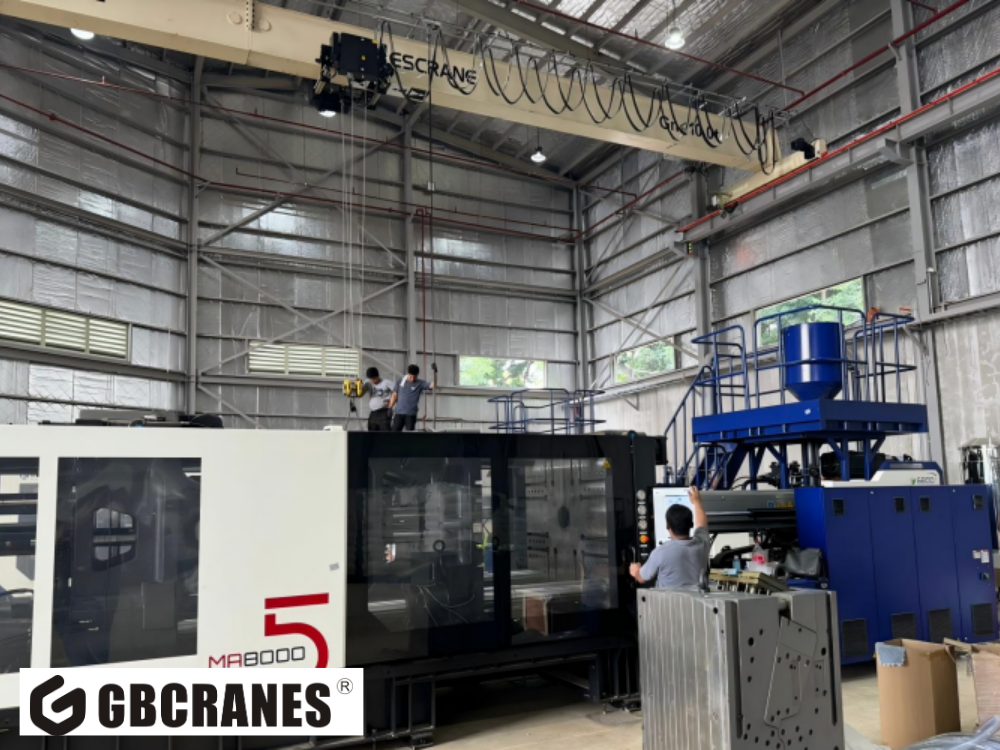
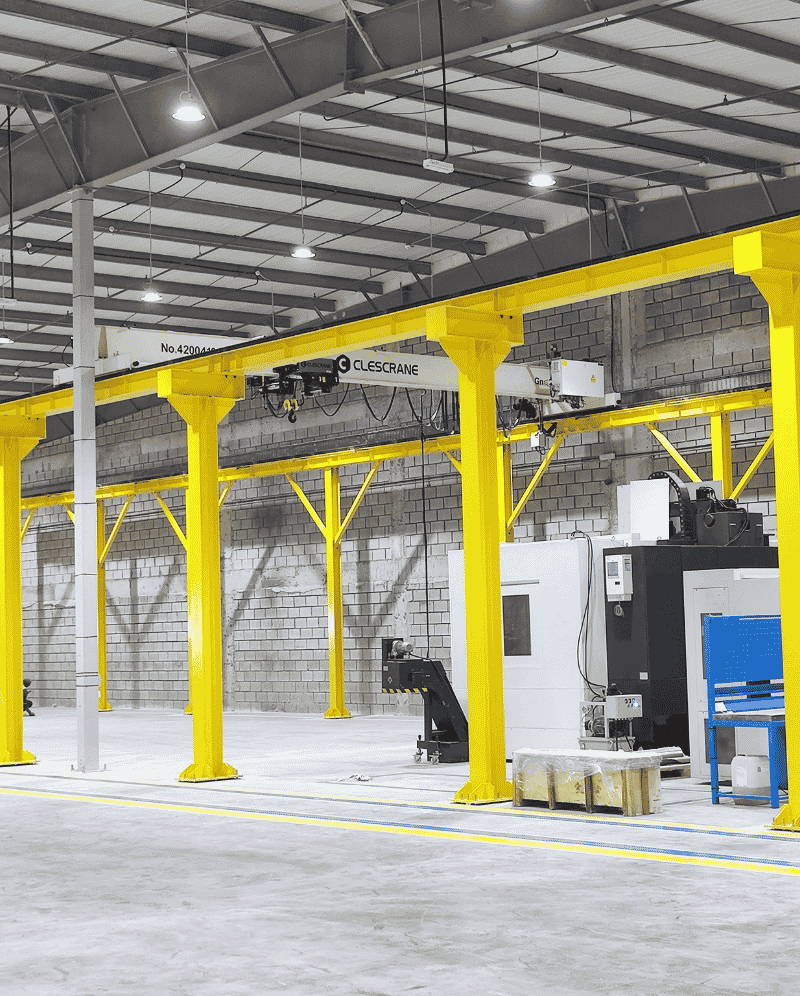
A single girder overhead crane consists of one main bridge beam supported by end carriages. An electric hoist travels along the beam to lift and move materials.
Thanks to its relatively simple structure and lighter weight, this crane is widely used in manufacturing workshops, warehouses, assembly plants, and maintenance facilities.
Its main advantages include:
- Lower initial investment.
- Compact and lightweight structure.
- Relatively simple installation and maintenance.
- Suitable for general material handling operations.
For factories with moderate lifting requirements, a single girder crane offers a practical and cost-effective solution.
A double girder overhead crane features two parallel main beams supporting a travelling trolley and hoisting mechanism. Its design provides greater flexibility for heavy-duty lifting applications.
It is commonly used in steel plants, power stations, shipyards, paper mills, and heavy manufacturing facilities.
Key advantages include:
- Greater structural capacity for demanding applications.
- More flexibility for specialized lifting equipment.
- Potential for increased usable lifting height.
- Space for maintenance platforms and additional equipment.
Double girder cranes are particularly suitable for factories handling heavy loads or requiring frequent lifting operations.
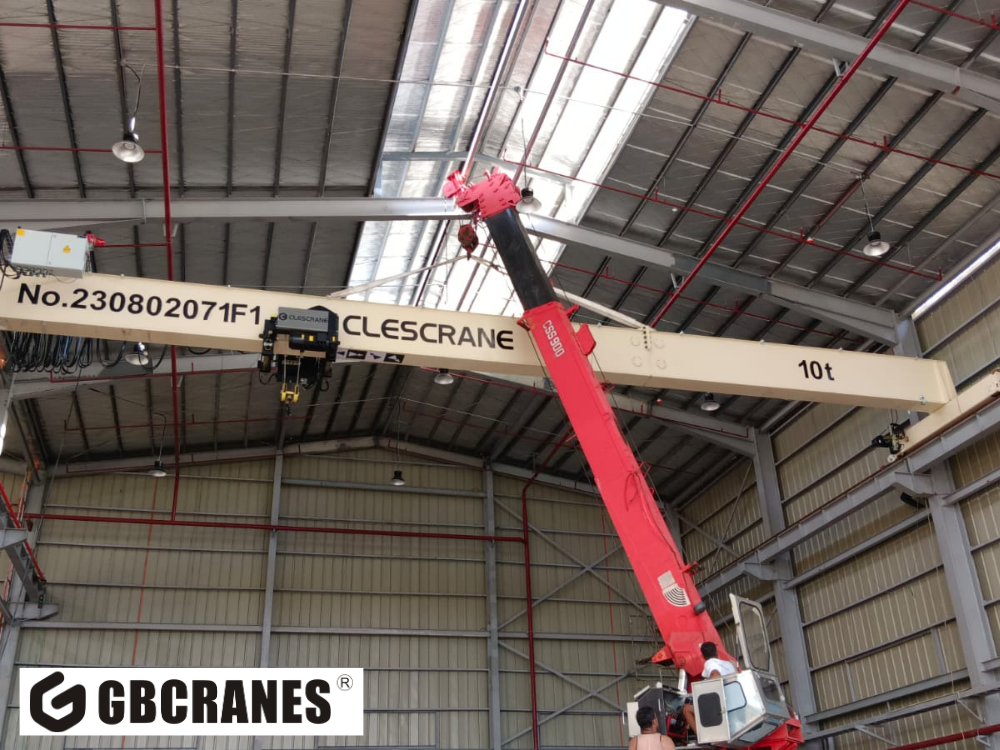
Understanding their technical differences helps you select the right crane for your production environment.
Lifting capacity and span: Single girder cranes are suitable for many general lifting tasks. Double girder cranes offer greater structural flexibility for heavier loads and longer spans. However, the appropriate configuration must be determined through engineering calculations.
Lifting height: Double girder cranes can provide greater hook height because the trolley is generally positioned above the bridge girders. Nevertheless, low-headroom single girder designs may also be suitable for buildings with limited clearance.
Operating costs: Single girder cranes generally require a lower initial investment. Double girder cranes may involve higher equipment and installation costs, but can provide better value when demanding lifting requirements justify the investment.
Different industries have different material handling requirements.
Single girder overhead cranes are commonly used in:
- General manufacturing workshops.
- Machinery assembly plants.
- Warehouses and logistics facilities.
- Maintenance workshops.
- Light industrial production lines.
Double girder overhead cranes are frequently used in:
- Steel production and metal processing.
- Power plants.
- Shipyards and ports.
- Paper mills and pulp mills.
- Heavy machinery manufacturing.
For example, a machinery workshop moving standard components may find a single girder crane sufficient. However, a steel plant handling heavy metal products or a paper mill transporting large paper rolls may benefit from a customized double girder crane.
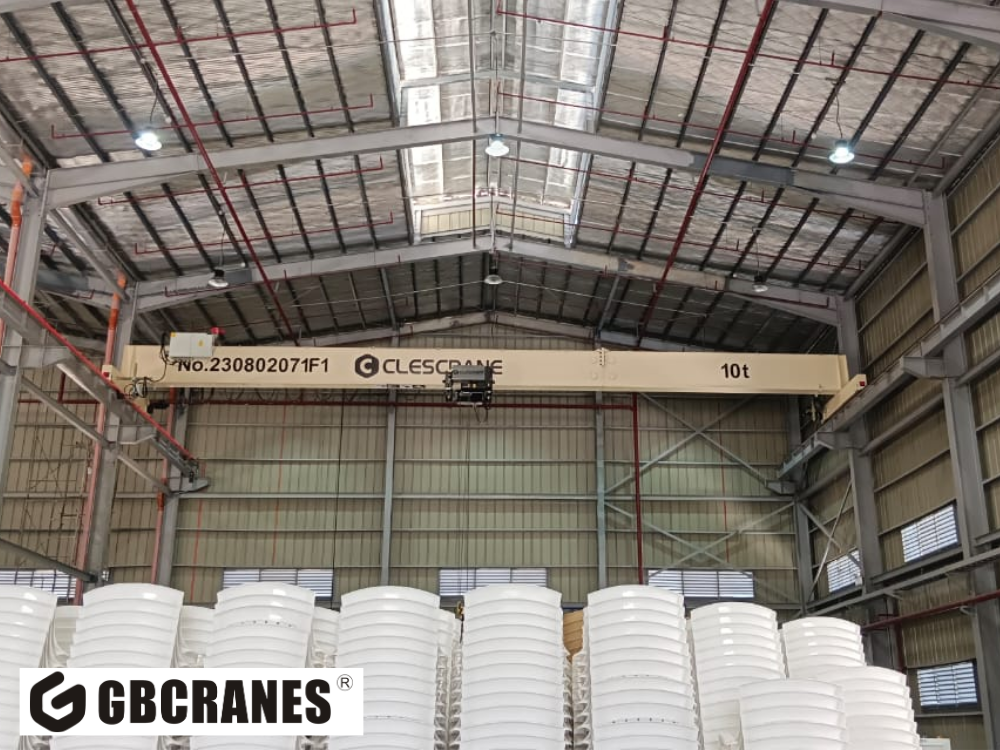
Before purchasing an overhead crane, consider these five important factors.
1. Lifting capacity: Identify the maximum load, including lifting attachments such as clamps, magnets, and spreader beams.
2. Crane span: Measure the distance between runway rail centerlines. A longer span may require a different structural configuration.
3. Lifting height: Check the required hook height and available building headroom.
4. Working class: Consider lifting frequency, operating hours, and load conditions to determine the appropriate duty classification.
5. Factory conditions and budget: Evaluate runway capacity, building structure, installation requirements, and long-term maintenance costs.
Choosing a crane based only on its purchase price may lead to unnecessary expenses later. A professional manufacturer should assess your actual working conditions before recommending a solution.
Every factory has different lifting requirements. A standard crane configuration may not always provide the best solution.
GBCRANES offers a range of industrial lifting equipment, including single girder overhead cranes, double girder overhead cranes, gantry cranes, jib cranes, electric hoists, and crane accessories.
From general manufacturing to specialized applications such as paper roll handling and steel processing, customized crane solutions can be designed according to lifting capacity, span, working conditions, and customer requirements.
Our goal is to help customers improve material handling efficiency with reliable and practical lifting solutions.
Both single girder and double girder overhead cranes offer important advantages. A single girder crane is generally more economical for standard lifting applications, while a double girder crane provides greater flexibility for demanding industrial operations.
The best choice depends on your lifting requirements, factory layout, working frequency, and long-term investment plans.
Looking for the right overhead crane for your factory? Contact GBCRANES to discuss your project and find a customized lifting solution.


