 Whatsapp
 Contact Us








GET CONNECTED
MAIN BUSINESSES
SERVICES
© 2021 HENAN GBCRANES INTELLIGENT MATERIAL HANDLING MACHINERY CO.,LTD.

The safest heavy-duty overhead crane for a steel plant is a dual-girder mill-duty bridge crane (typically rated to CMAA Class E or F / FEM Group 3m–5m) equipped with redundant fail-safe braking, heat-shielded hoist machinery, dual load-limiting and slack-rope protection, anti-collision/anti-sway controls, and explosion- or high-temperature-rated electrical enclosures.
Because steel mills operate 24/7 with molten metal ladles, glowing billets, heavy scrap buckets, and high-tonnage coils, crane safety depends less on a single crane brand or nameplate than on duty classification, mechanical redundancy, thermal protection, and smart control interlocks** matched to each specific bay.
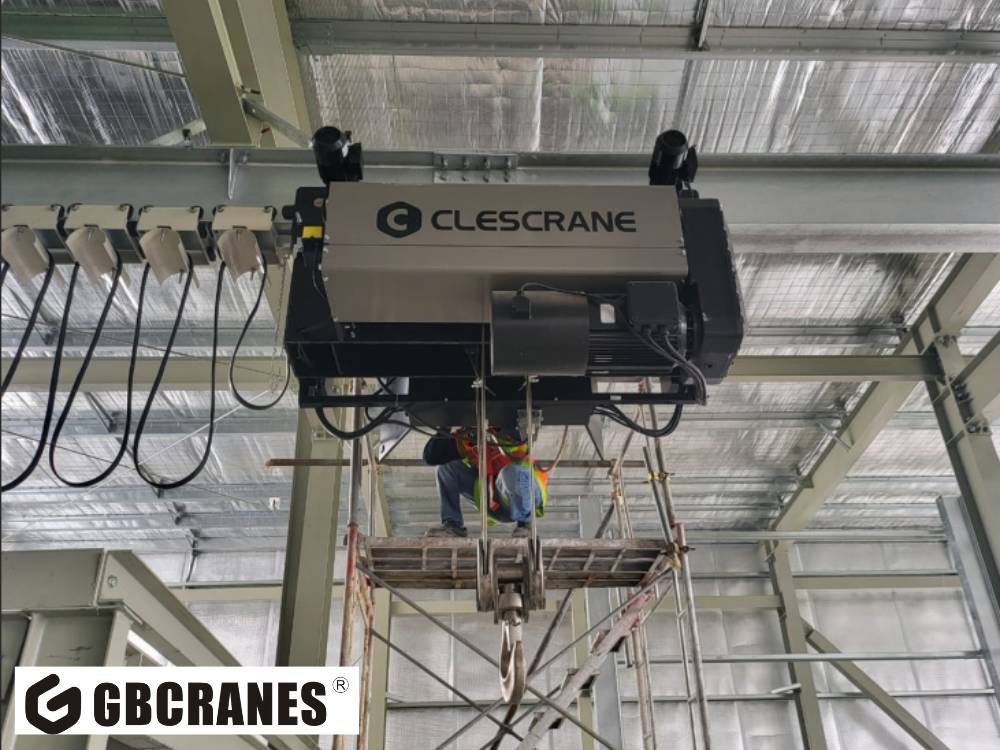
Different zones inside a steelworks create distinct hazards:
Ladle & Molten Metal Bays: Require heavy-duty double-girder mill cranes engineered for high thermal radiation, continuous cyclic duty, and extreme load consequences. Where molten metal is handled, standards such as AISE Technical Report No. 6, FEM/ISO, and CMAA Class E/F (or dedicated ladle crane rules) drive stricter safety factors, redundant drive trains, and more frequent inspections.
Coil, Slab & Billet Handling Bays: Benefit from high-duty double-girder cranes fitted with specialized lifting devices (C-hooks, coil tongs, lifting beams, or electromagnets) with positive mechanical locking or backup battery/hold systems.
Scrap & Raw Material Bays: Need rugged box-girder or torsion-box bridges built for shock loading, dust ingress, and high-frequency duty cycles.
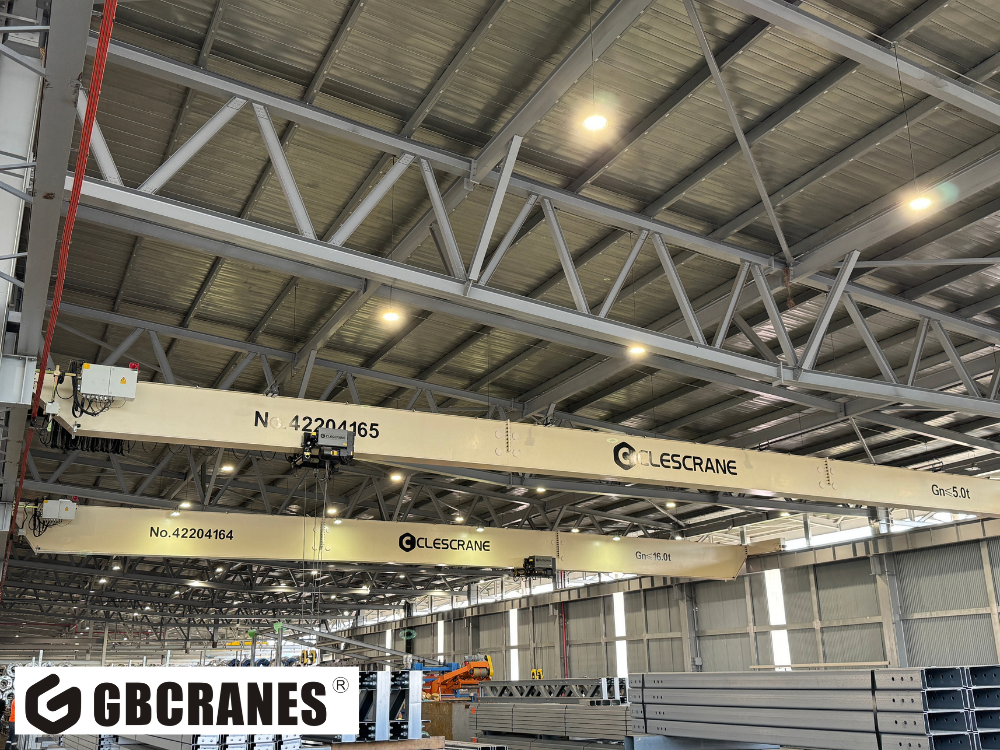
When evaluating heavy-duty overhead cranes for steel plants, prioritize these engineered safeguards:
1. Redundant Braking & Drive Architecture: Dual hoist brakes (fail-safe spring-applied, electrically released) sized so a single brake can hold the rated load, paired with dual motor/gearbox configurations on critical high-risk hoists.
2. Thermal & Environmental Protection: Heat shields beneath the bridge and trolley for radiant heat zones, high-ambient-rated motors (often Class H insulation), IP55/IP65+ protection against conductive steel dust, and reliable cooling/ventilation.
3. Multi-Layered Limit & Overload Protection: Geared and block upper/lower hoist limit switches, load cells or overload cutoffs (preventing lift above rated capacity while allowing controlled lowering), and travel/collision limits for multi-crane runways.
4. Sway Control & Precision Positioning: Variable frequency drives (VFDs) with smooth acceleration/deceleration ramps and electronic anti-sway functions reduce load pendulum motion near furnaces, presses, and narrow aisles.
5. Safe Operator & Maintenance Access: Enclosed operator cabs with heat-resistant glass and filtered air (or safe remote/pendant operation where line-of-sight is clear), full-length girder walkways with toe boards and handrails, lock-out/tag-out (LOTO) points, and safe hook-block servicing access.
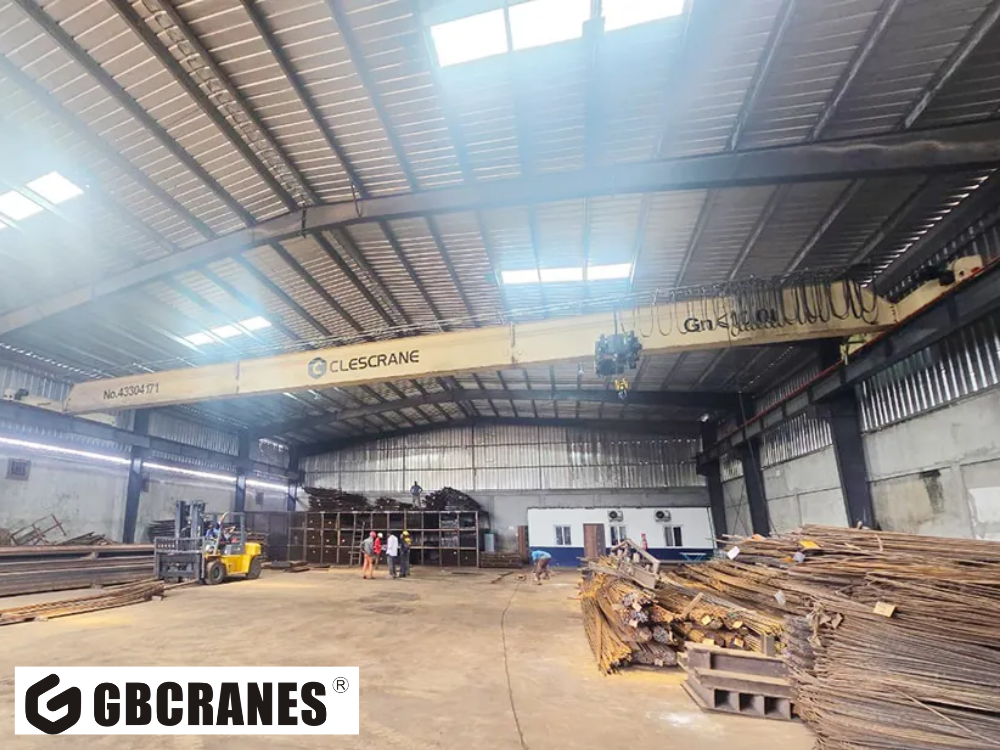
Audit against recognized standards: Confirm compliance with applicable regional and international standards (CMAA, ISO, AISE, or local statutory crane codes) rather than vague "heavy-duty" labels.
Verify load-path and lifting-device integration: A safe crane paired with an underrated spreader beam, magnet, or hook block still creates a single point of failure.
Check serviceability and diagnostics: PLC fault diagnostics, brake-wear monitoring, and accessible components reduce maintenance errors in harsh mill environments.
Choose a high-duty double-girder mill crane engineered to the exact thermal, duty-cycle, and load-consequence demands of your bay, backed by redundant brakes, overload/limit interlocks, heat/dust protection, and disciplined preventive maintenance.


